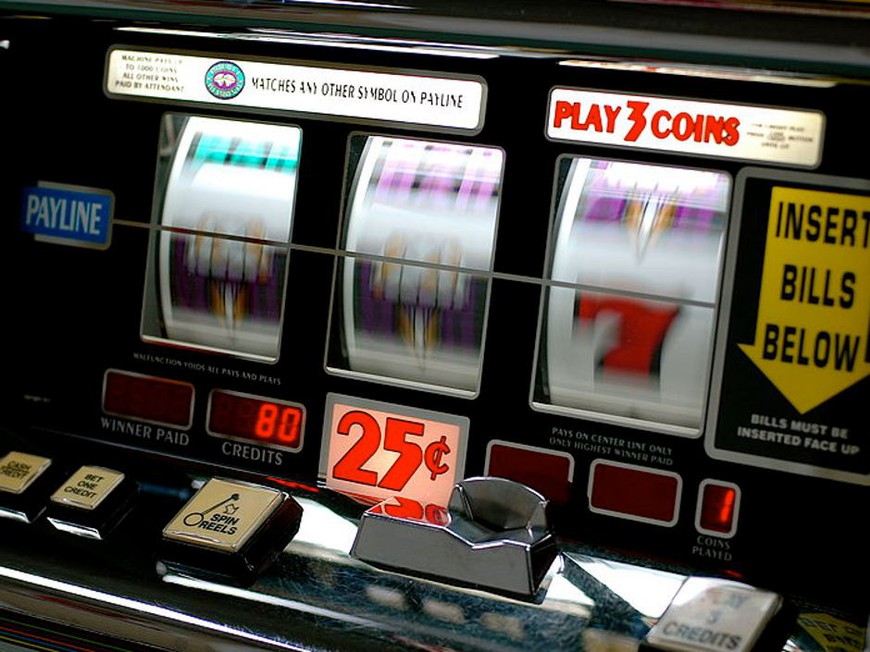
When we examine newly launched online casinos, duelcasino sloturi cu jackpot, we are not simply looking at fresh paint on an old industry. We analyze platforms built on modern technology stacks, designed to load faster, handle mobile traffic gracefully, and comply with stricter regulations than older counterparts. For players, this means a shift in expectations. A new casino needs to deliver more than a welcome bonus; it must demonstrate technical reliability, transparent terms, and a game library that loads without friction. In this introduction, we explore what defines a modern new casino, how to judge safety and usability, and what specific details matter most when deciding where to register and play with real money.
What Defines a Modern Online Casino in Practical Terms
A modern online casino is a platform released within the last two to three years, built on current HTML5 architecture rather than patched legacy systems. The clearest sign is lobby speed: game thumbnails load almost instantly, and you can sort by provider or feature. Starting a slot or table game should require under three seconds on a steady connection. This responsiveness comes from efficient code that bypasses outdated plugins, ensuring the experience feels fast from the first click.
We also look for a mobile-first design. Navigation bars sit at the bottom for thumb reach, buttons are sized enough to tap without zooming, and the cashier is streamlined to reduce friction. Account creation often features multi-step forms that keep progress or quick sign-up via identity providers, cutting the time between landing and making a bet. A modern platform treats mobile as the key experience, and the whole interface feels fluid, not a stripped-down afterthought.
Mobile Platform and Multi-Device Synchronization
We review mobile as the main access method. A well-designed responsive site or progressive web app can match native app functionality without a download. The essential test is session persistence: start a live roulette on your phone, transfer to desktop, and your balance must refresh in real time. This needs a robust WebSocket connection. Touch targets need at least 48 CSS pixels. If your connection disconnects during a spin, the outcome is already settled server-side; upon reconnection, the game state recovers. The casino’s help documentation should describe this.
Security Framework and Data Security
We start by checking that the entire site uses HTTPS with a valid TLS certificate. Using browser developer tools, we check for a Content Security Policy header and a Strict-Transport-Security header with a long max-age, which shield against script injection and require encrypted connections. Account security should incorporate two-factor authentication via authenticator apps, not just SMS, and login notifications with IP and device details. A session management panel allows you remotely terminate active sessions. KYC documents must be encrypted at rest and erased after the licensed retention period.
Bonus Structures and Wager Requirements
The welcome bonus’s real value depends on the terms. We search for wagering requirements ranging from 25x and 40x on the bonus only; applying it to deposit plus bonus above 45x makes clearing unrealistic. Game contribution rates are important: slots usually count 100%, table games often 10% or less. A honest casino shows these rates on the promotion page. We check the maximum bet limit during wagering—typically €5—and the platform should block bets above that cap automatically. Non-sticky bonuses and clearly stated maximum win caps on free spins are further signs of balanced design.
Regulatory and Oversight Principles You Should Check
Before depositing, we check the license seal in the footer. A proper new casino holds a license from the Malta Gaming Authority or Curacao eGaming; clicking the seal should link to the regulator’s public register. Malta imposes strict player fund segregation, while Curacao sub-licenses depend on a master license holder. We check the operator’s legal name and active status in real time.
Regulatory compliance affects daily play. Licensed casinos must perform KYC checks before processing withdrawals, but a modern platform features a digital upload flow that takes in hours, not days. Responsible gambling tools—deposit limits, loss caps, session timers, and self-exclusion—should be available from a single dashboard and take effect immediately. These protections are built into account settings, not buried in PDFs, and activate instantly.
Deposit Options and Transaction Speed
A contemporary cashier accepts debit cards, e-wallets, and instant bank transfers. Deposits should credit right away; any delay points to backend issues. Withdrawal processing speed is the real test. New casinos with digital KYC and risk-based engines can clear e-wallet payouts in under six hours. We watch for pending periods and withdrawal fees—a flat fee per payout is a concern. Multi-currency support with dedicated balances avoids conversion markups. Playing in your home currency is always preferable.
Game Collections and Provider Partnerships
How Aggregators Define the Offerings
Numerous new casinos use game aggregators like SoftSwiss or EveryMatrix, which integrate thousands of titles through a single API. This middleware handles wallet integration and game launches uniformly, so you can switch from a NetEnt slot to a live table without a second login or balance delay. A well-designed lobby provides filters by mechanic—Megaways, Bonus Buy—and a search that tolerates misspellings. Thumbnails load via lazy loading, saving bandwidth on mobile data and guaranteeing a smooth browsing experience.
Live Casino and Table Game Depth
A top-tier new casino hosts live tables from at least two major providers like Evolution and Pragmatic Play Live, with variations such as Speed Blackjack or Lightning Roulette. Streaming defaults to HD and scales to lower bandwidth. Dedicated branded tables signal a direct partnership, often with custom bet limits. For digital table games, RNG certification is crucial; we verify for posted RTP percentages. Many new platforms also offer provably fair crash or mines games, where you can check each round’s outcome using a cryptographic hash.
Customer Support Responsiveness and Excellence
We evaluate live chat with a certain question, such as the wagering contribution of French Roulette on the current bonus. A well-informed agent should reply precisely within 60 seconds, not just direct to the terms page. The chat interface should enable file uploads for KYC and maintain a transcript. For complicated issues, a ticket system with email updates is essential. The FAQ section should be tailored to the platform, explaining withdrawal schedules per payment method and providing step-by-step KYC instructions with real screenshots. Multilingual support must be proficient to avoid misreading bonus terms.
Reviewing a New Casino and Player Safeguarding Tools
Responsible Gambling Controls
A new casino must offer a full suite of customizable limits. Deposit limits must be configurable daily, weekly, and monthly, with decreases effective immediately and increases following a 24-hour cooling-off. Loss and wager limits give extra control. Session time reminders show elapsed time and net position. Self-exclusion should be one-click and extend to the operator’s entire brand. The minimum exclusion period lasts six months, and reactivation requires a formal request with a seven-day cooldown. Direct links to GamCare and Gambling Therapy with clickable contact details show genuine commitment.
Pre-Signup Checklist
Before registering, we examine the domain’s age via WHOIS and scan player forums for complaint responses. A casino that resolves disputes publicly and demonstrates payout evidence shows integrity. We also verify the casino isn’t on any regulator’s warning list. The terms and conditions page can be telling: we read the withdrawal clause for maximum payout limits or installment plans, and the dormant account fee policy. Reasonable policies notify you before deducting fees and won’t bring the balance below zero. We also test keyboard navigation and screen reader compatibility; a modern semantic HTML build must be accessible to visually impaired players.